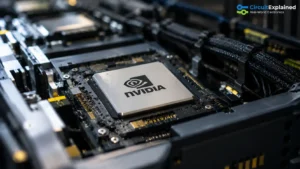
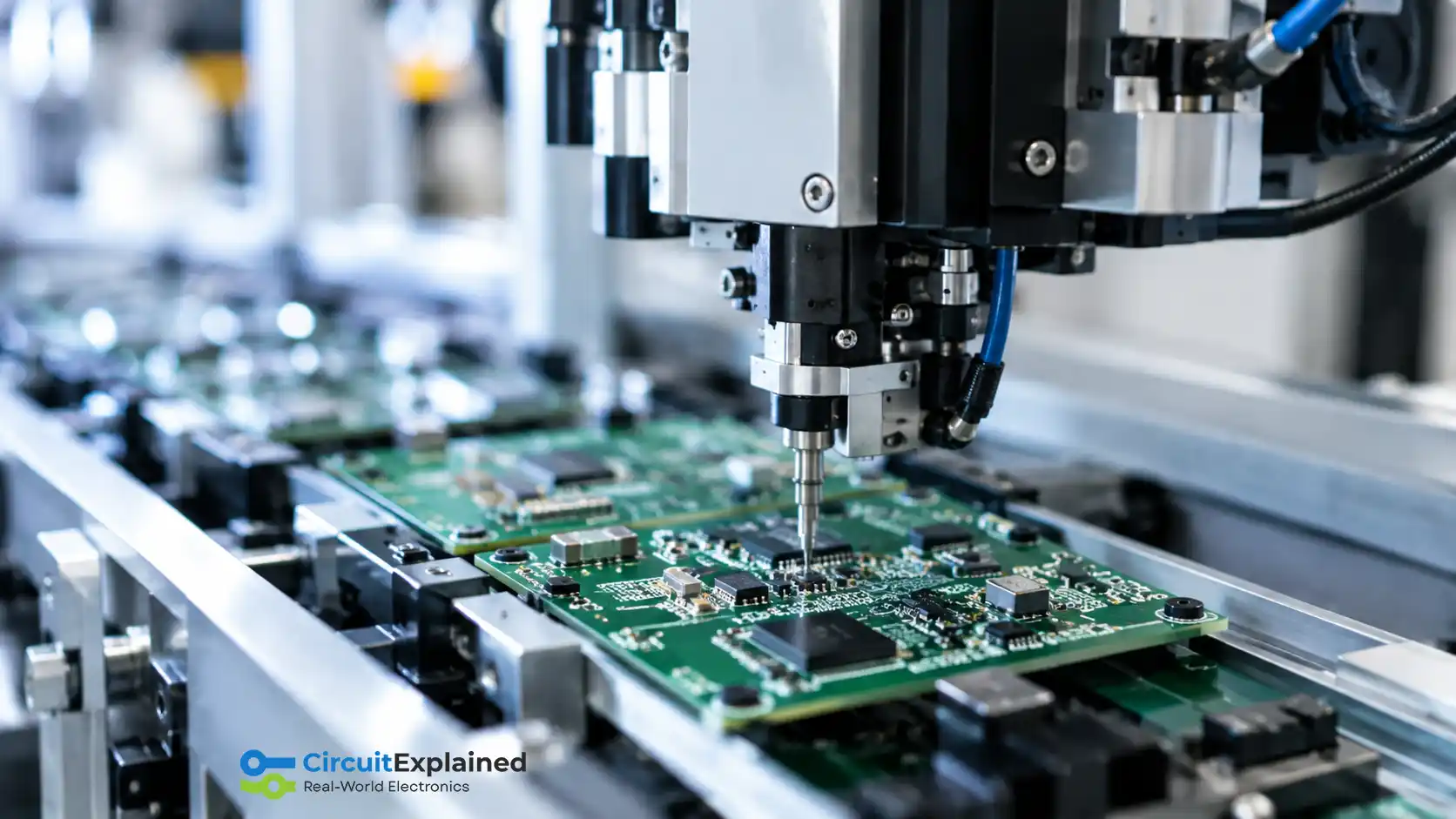
The artificial-intelligence boom is now changing not only semiconductor demand but also the structure of global electronics manufacturing. Research presented by In4ma and EMSNOW estimates that Amazon, Alphabet, Meta, and Microsoft could invest $700–725 billion in AI infrastructure during 2026—an amount larger than the annual revenue of the global electronics-manufacturing-services industry. The reported consequence is that PCB manufacturers are shifting away from standard board production toward higher-margin AI-server work. [Evertiq]
The fact is important because it shows that AI investment is becoming a capacity-allocation issue. Factories have finite equipment, engineering teams, and skilled operators. When hyperscalers place large orders for servers, switches, power systems, and cooling equipment, manufacturers have an incentive to prioritize programs with higher prices and stronger growth prospects. That can reduce availability or extend lead times for lower-margin products such as ordinary consumer boards and commodity assemblies.
AI-server PCBs are technically demanding. They may require many layers, low-loss materials, tighter impedance control, backdrilling, higher copper weights, and more complex power-distribution structures. The board must move large volumes of high-speed data while supporting substantial current and heat. Production also requires better inspection, stricter process control, and more extensive electrical testing. In practice, the manufacturing challenge is as much about yield and reliability as it is about routing.
This shift creates opportunities for engineering firms. Smaller PCB businesses may not be able to compete for hyperscale volume, but they can provide prototype development, stackup design, SI/PI simulation, DFM, NPI, fixture design, debugging, and repair. Regional manufacturers can also serve as flexible partners for low- and medium-volume programs that larger factories may not prioritize.
There are risks. The AI build-out could slow if customers delay data center projects, electricity becomes scarce, or financing costs rise. A factory that invests heavily in advanced capacity without securing qualified customers may end up with expensive underutilized equipment. Customer concentration is another concern: a single hyperscale contract can create strong growth but also significant bargaining power for the buyer.