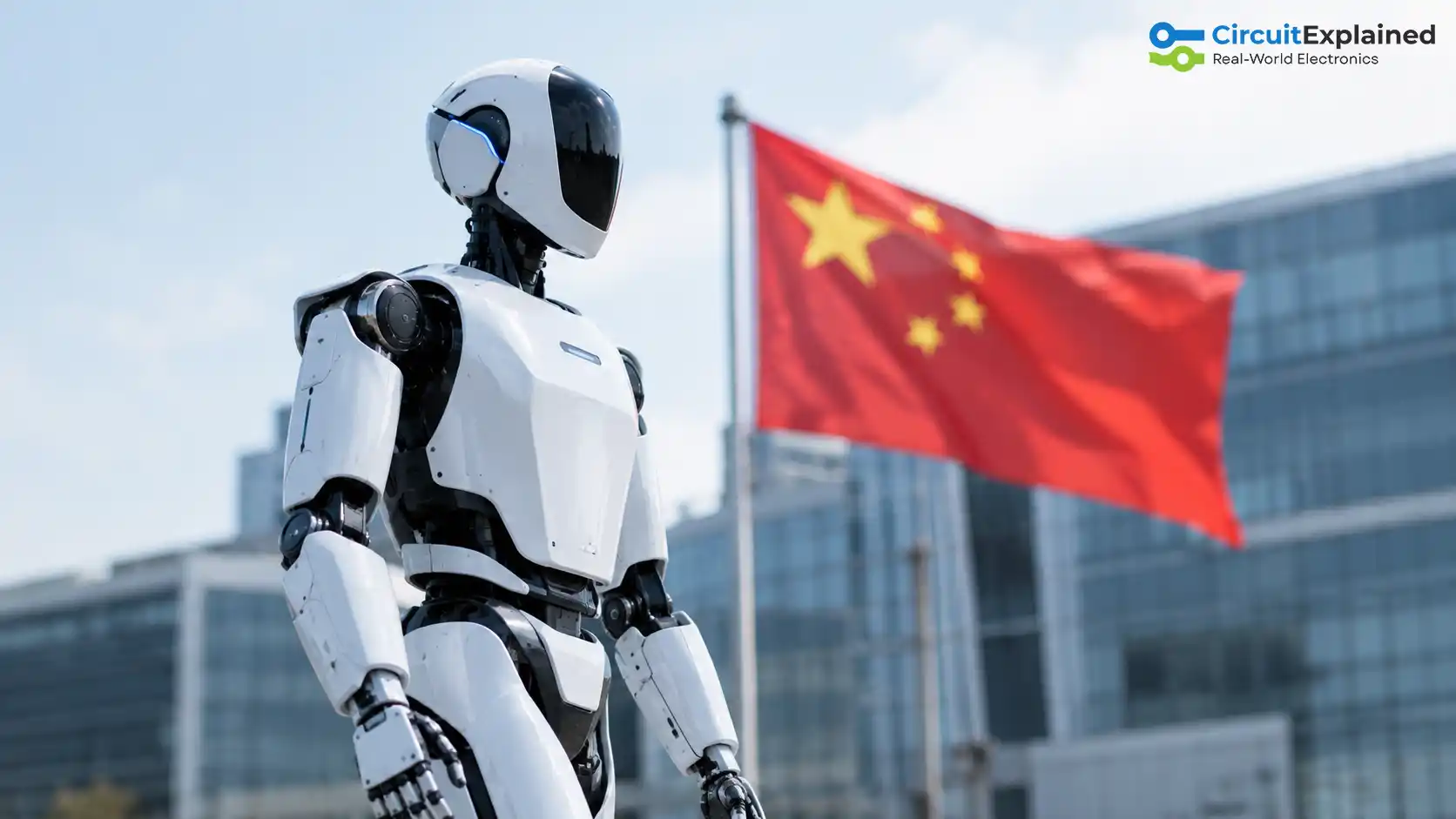
China’s decision to slow the rush of humanoid-robot IPOs is an important sign that the sector is entering a more disciplined phase. Humanoid robotics remains strategically important, but the market is beginning to distinguish between technological demonstrations, government-supported projects, and durable commercial demand.
The issue is not that humanoid robots lack potential. They could eventually support logistics, inspection, manufacturing, healthcare, and other labor-intensive tasks. The problem is that the cost and complexity of general-purpose machines remain high. A company may demonstrate walking, object manipulation, or natural-language interaction without proving that the robot can operate for long periods, recover from errors, pass safety reviews, and produce an acceptable return on investment.
Unitree’s volatile listing shows how quickly investor expectations can detach from operating performance. When valuations are driven mainly by future promises, even a modest disappointment in shipments or revenue quality can cause severe price swings. Regulators appear to be signaling that listing applicants must demonstrate clearer evidence of market demand, reliable accounting, and commercial readiness.
The likely result is not the end of robotics investment. Instead, capital may move toward less glamorous but more defensible areas. Industrial robot arms, mobile platforms, machine-vision systems, and specialized automation can generate revenue today. Component suppliers may also benefit because the same motor drivers, encoders, cameras, and power electronics support many robot formats.
For engineering firms, this is a constructive environment. Customers will need better reliability, easier maintenance, and lower total cost rather than simply more capable prototypes. PCB designers who understand motion-control noise, thermal constraints, functional safety, and field diagnostics can create value across multiple robotics platforms.
The broader business lesson is that “physical AI” should be evaluated like industrial equipment, not like consumer software. Commercial success depends on uptime, serviceability, safety certification, and payback. Investors who focus on deployed units and repeat orders may be better positioned than those chasing only the next headline demonstration.